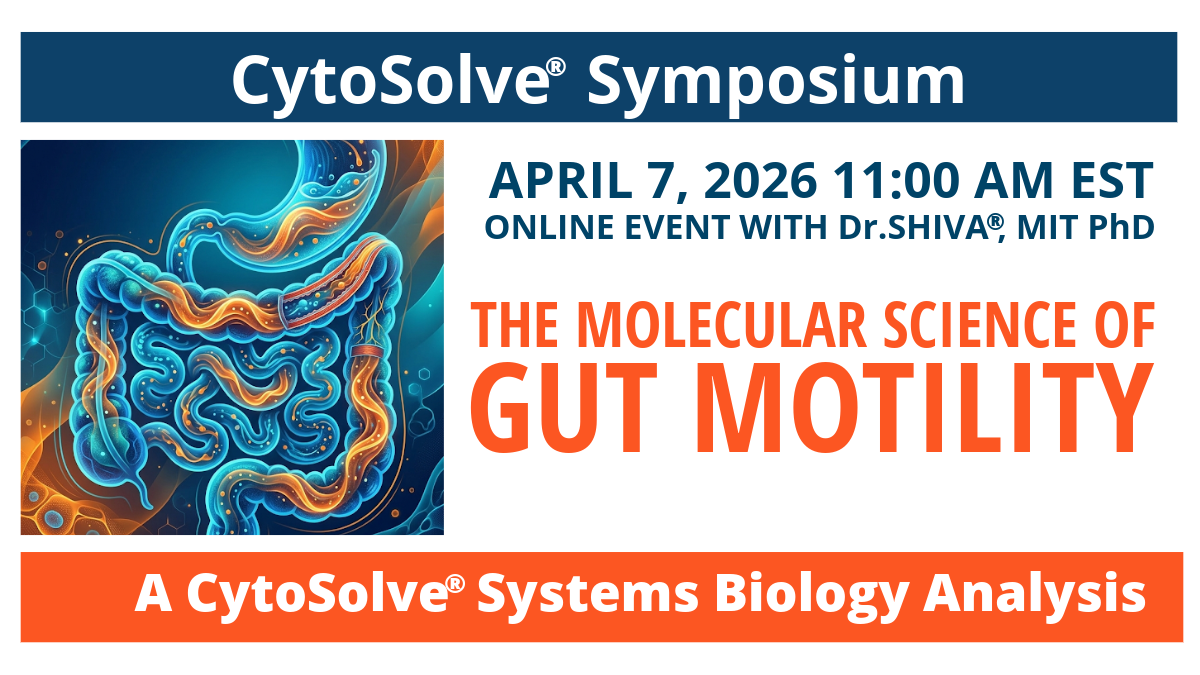
The Molecular Science of Gut Motility
This symposium explores the molecular science of gut motility — the coordinated movement of the gastrointestinal tract that enables digestion, nutrient absorption, and waste elimination. We examine how disruptions in cellular signaling, smooth muscle function, and neural regulation can impair motility and contribute to digestive disorders. Using CytoSolve’s® computational systems biology platform, we integrate insights from peer-reviewed research to map the complex pathways governing gut function. Through the Open Science Institute™, these findings are presented in a clear and accessible way, empowering individuals to better understand the science behind digestive health and its impact on overall well-being.
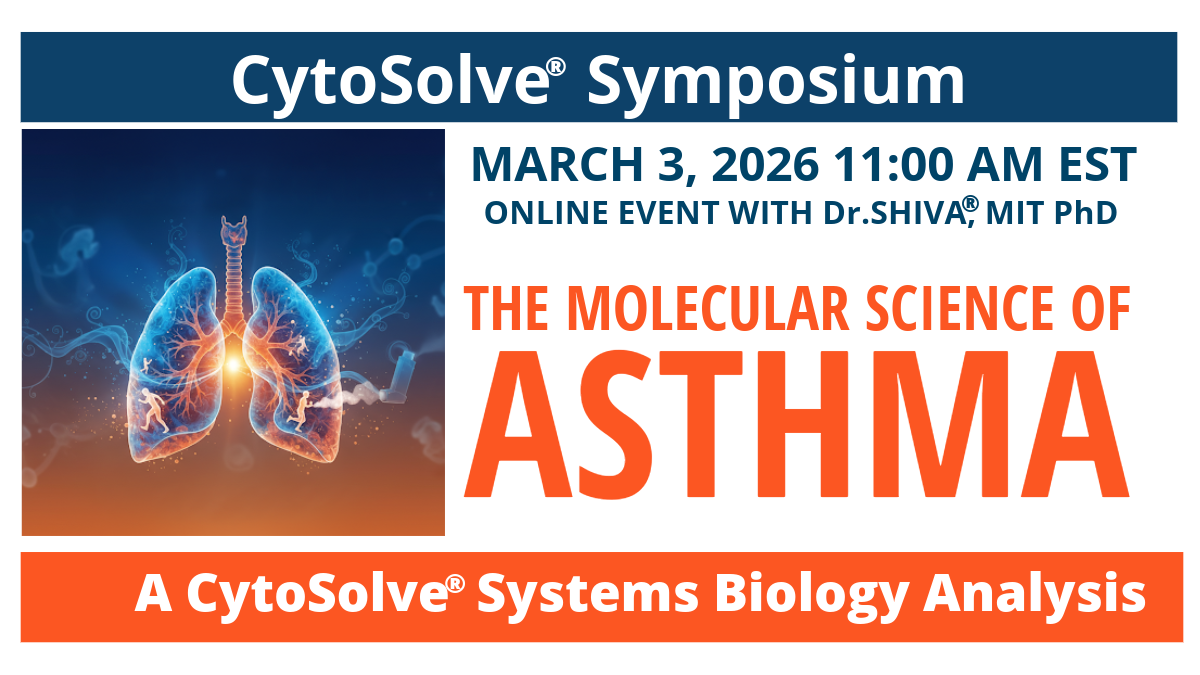
The Molecular Science of Asthma
This symposium explores the complex molecular mechanisms that drive asthma and chronic airway inflammation. Dr. Shiva Ayyadurai, MIT PhD and Inventor of Email, presents a systems-level view of asthma by examining the cellular and biochemical pathways that regulate immune responses, airway remodeling, and inflammatory signaling. Using CytoSolve®, a powerful computational systems biology platform, the discussion reveals how multiple molecular interactions across the immune, pulmonary, and neurological systems contribute to the development and progression of asthma. Participants will gain a deeper understanding of how environmental factors, stress, and biological signaling networks influence respiratory health. Presented in partnership with the Open Science Institute, this session translates complex science into accessible insights for understanding asthma from a true systems biology perspective.
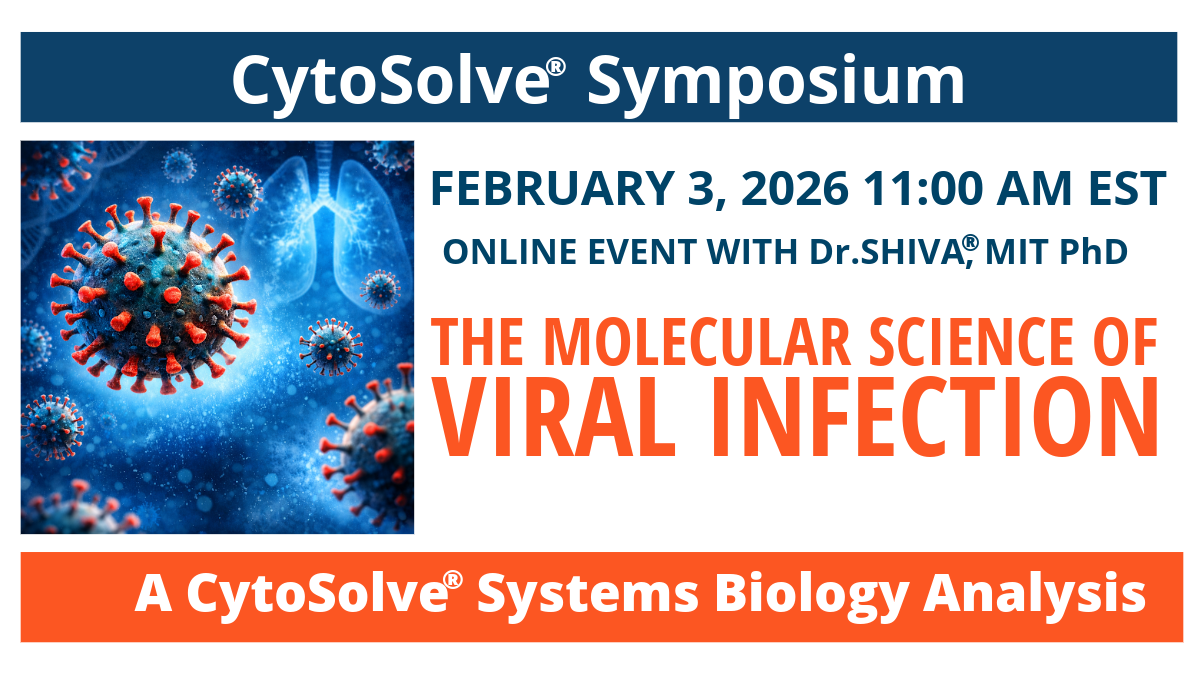
The Molecular Science of Viral Infection
In this symposium, Dr. Shiva Ayyadurai, MIT PhD and Inventor of Email, explores the intricate molecular mechanisms behind viral infections. Using CytoSolve®, an advanced computational systems biology platform, the session delves into the cellular interactions, immune responses, and viral replication processes that define the course of infections. This scientifically grounded approach unravels how viruses impact our biology and how we can leverage systems biology to develop more effective prevention and therapeutic strategies. Join us as we bridge the latest research with practical insights, offering a deeper understanding of viral infections at the molecular level. Presented in collaboration with the Open Science Institute, this session brings cutting-edge science to the forefront of public health.
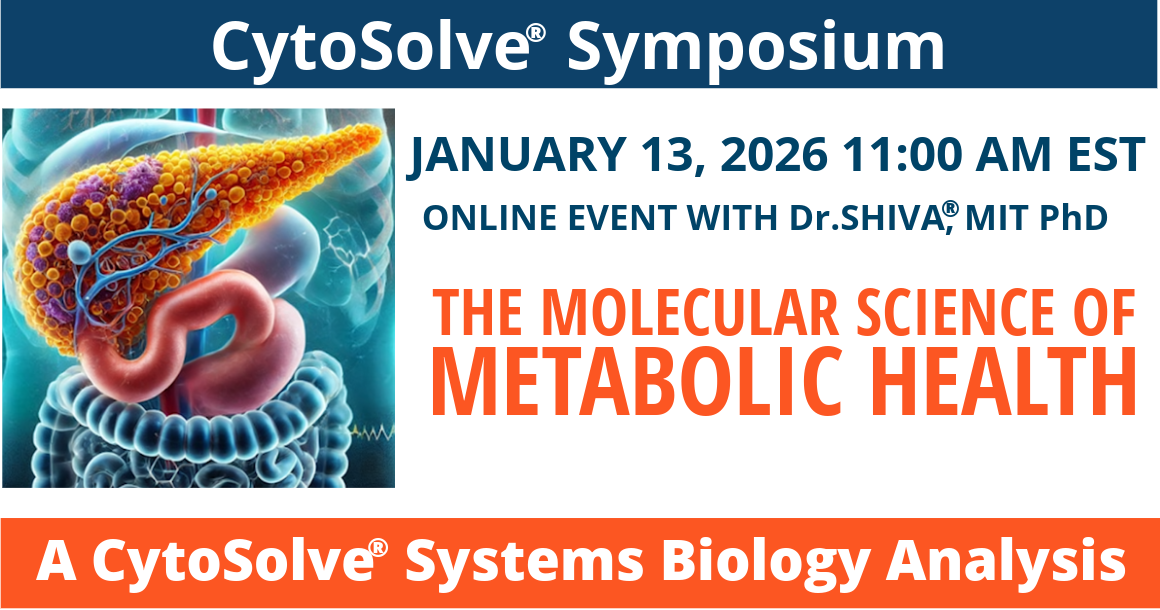
The Molecular Science of Metabolic Health
This symposium explores how the body maintains metabolic balance at the molecular level. Dr. Shiva Ayyadurai, MIT PhD and Inventor of Email, walks through the key pathways that regulate energy, glucose, inflammation, and cellular function. Using CytoSolve®, a powerful computational systems biology platform, the discussion provides a clear, science-based view of how food, lifestyle, and environment influence metabolic health. Participants will gain an integrated understanding of the molecules and mechanisms behind metabolic wellness and dysfunction, empowering them to make informed choices. Presented in partnership with the Open Science Institute, this session makes complex biology accessible to everyone.
The Molecular Science of Acute Myeloid Leukemia
This symposium dives into the molecular science behind Acute Myeloid Leukemia (AML), a fast-moving blood cancer that begins in the bone marrow. We explore how genetic changes and disrupted cellular communication lead to uncontrolled growth of immature blood cells. Using CytoSolve®’s computational systems biology platform, we integrate insights from thousands of peer-reviewed studies to reveal the complex pathways driving AML. Through the Open Science Institute™, these discoveries are shared in a clear, accessible format to empower individuals with real scientific understanding of disease.
The Molecular Science of Amyotrophic Lateral Sclerosis
This symposium uncovers the molecular mechanisms involved in Amyotrophic Lateral Sclerosis (ALS), a devastating neurodegenerative disease. We examine how disruptions in cellular signaling, protein function, and genetic regulation can contribute to neuron damage and disease progression. By leveraging CytoSolve’s in-silico modeling, we synthesize decades of experimental data into an integrated systems view of ALS pathology. The Open Science Institute™ presents these insights in a way that makes complex biology approachable and meaningful for everyone.
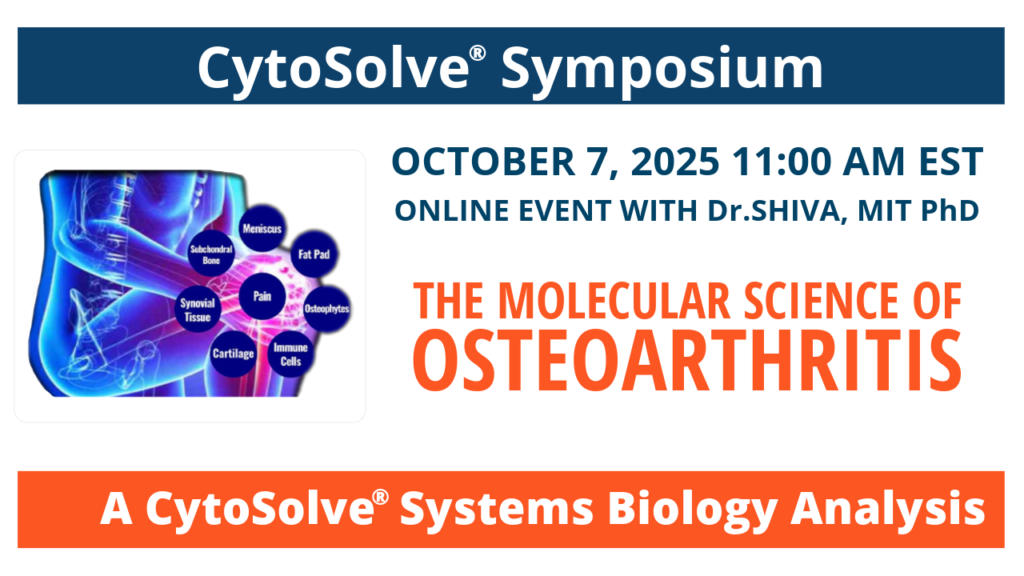
The Molecular Science of OSTEOARTHRITIS
This symposium explores the molecular underpinnings of osteoarthritis — a degenerative joint disease affecting cartilage, bone, and joint tissues. We trace how inflammation, cellular stress, and molecular signaling pathways intersect to drive joint degradation and pain. Using CytoSolve, we bring together diverse experimental studies into a unified model that shows how multiple processes converge in osteoarthritis development. Through the Open Science Institute™, we translate these complex findings into real-world understanding of joint health and disease.
The Molecular Science of Heart Health- EFFECT OF CAFFEINE & ARGININE
This symposium examines heart health by focusing on the molecular interactions and effects of caffeine and arginine on cardiovascular function. We uncover how these compounds influence key signaling pathways, blood vessel function, and overall cardiac dynamics. Using CytoSolve’s systems biology approach, we integrate scientific evidence to show how everyday dietary compounds can affect heart health — providing insight into mechanisms behind circulation, blood pressure, and long-term well-being. The Open Science Institute™ frames these insights in a way that’s both scientifically grounded and accessible.
The Molecular Science of Heart Health
This symposium investigates the cellular and molecular foundations of cardiovascular health — including how blood vessels, signaling molecules, and metabolic processes work together to sustain heart and vascular function. We explore how imbalances, stress, or aging can disrupt these systems and lead to disease. By applying CytoSolve’s integrative modeling to collate findings from numerous studies, we build a comprehensive, systems-level picture of heart health. Thanks to the Open Science Institute™, complex science is translated into knowledge that anyone can understand, helping to inform healthier choices and interventions.
The Molecular Science of ALZHEIMER’S DISEASE
This symposium delves into the molecular and cellular processes behind Alzheimer’s disease, a complex neurodegenerative condition affecting millions. We examine how genetic factors, protein misfolding, inflammation, and cellular signaling combine to disrupt brain health over time. Using CytoSolve’s computational platform, decades of separate studies are synthesized into an integrated systems map of Alzheimer’s pathology. The Open Science Institute™ presents these findings to make the science understandable and to foster informed discussion about brain health, risk, and prevention.
The Molecular Science of Aging
This symposium explores the biology of aging at a molecular level, looking at how cellular processes, signaling pathways, and metabolic changes accumulate over time to influence health and longevity. We analyze how age-related shifts in molecular dynamics can lead to increased disease risk, reduced resilience, or functional decline. Through CytoSolve’s systems biology tools, we aggregate scientific data from many sources to provide a holistic view of aging mechanisms. Via the Open Science Institute™, we translate this complex science into insights that help people understand aging and potentially improve long-term health outcomes.
The Molecular Science of Brain Health
This symposium investigates how molecular signaling, metabolism, and cellular interactions support brain health — including memory, cognition, and neural resilience. We examine what happens when these processes are disrupted, and how that may contribute to neurological disorders or age-related decline. By applying CytoSolve’s integrative modeling, we bring together research from many studies to form a systems-level understanding of brain functioning. The Open Science Institute™ conveys these scientific discoveries in a way that is clear and relatable, making brain health science accessible to everyone.
The Molecular Science of Skin Health
This symposium explores the molecular mechanisms that underlie skin health — from cellular renewal and collagen synthesis to stress responses and environmental effects. We examine how disruptions in molecular signaling and balance can affect skin integrity, aging, and disease. Through CytoSolve’s systems biology platform, we integrate findings from hundreds of studies to show how different pathways interact to maintain or undermine healthy skin. The Open Science Institute™ presents this information in easy-to-understand form so that both scientists and curious readers can appreciate the complexities of skin biology.
The Molecular Science of Women’s Health
This symposium shines a light on women’s health from a molecular and systems biology perspective, exploring how hormones, cellular signaling, metabolism, and genetics work together to influence reproductive health, hormonal balance, and general well-being. We investigate how disruptions in these systems can lead to common health challenges or conditions. Using CytoSolve, we distill a broad range of scientific studies into an integrated framework that reveals how multiple biological pathways converge in women’s health. The Open Science Institute™ helps translate the science into clear and actionable understanding for a broad audience.
The Molecular Science of Diabetes
This symposium delves into the molecular systems underlying diabetes — exploring how cellular signaling, insulin and glucose metabolism, inflammation, and other pathways interact to influence blood sugar regulation and metabolic health. We examine how imbalances in these systems can lead to chronic disease. Using CytoSolve’s computational modeling, we integrate findings from numerous studies into a unified view of diabetes at the molecular level. Through the Open Science Institute™, we offer a clear, scientifically grounded understanding that can inform prevention, lifestyle, and therapeutic strategies.
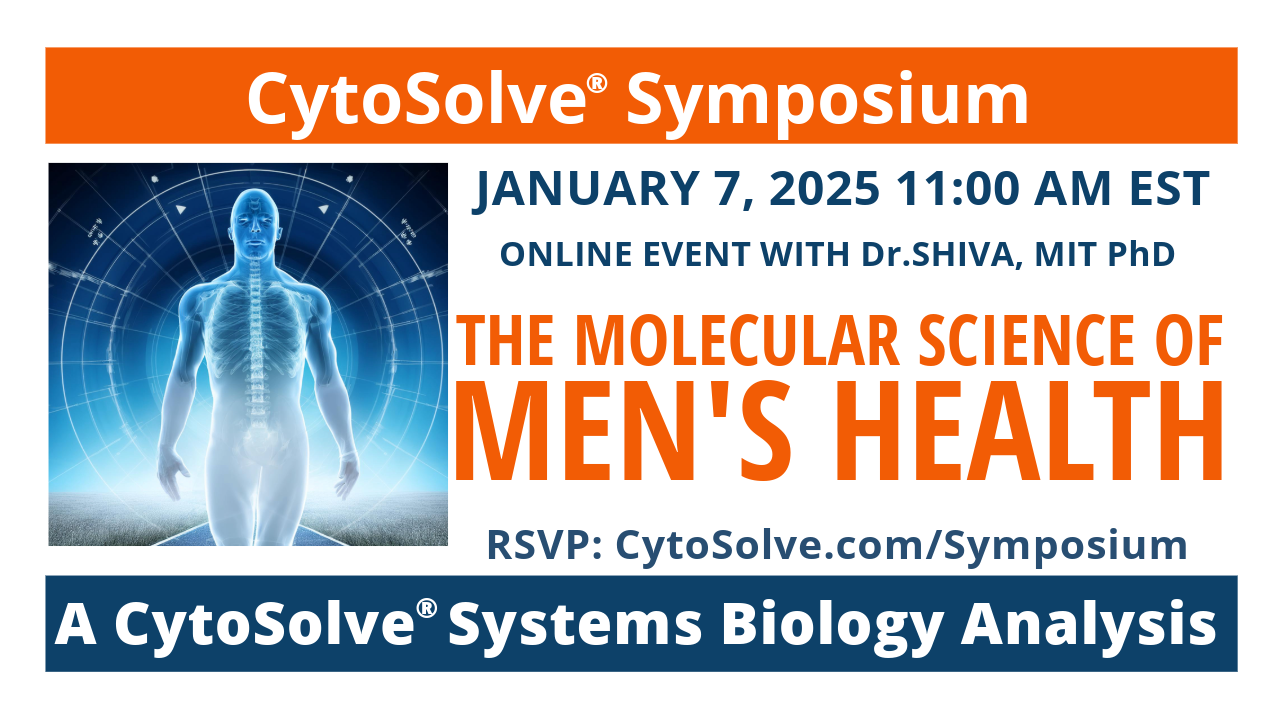
The Molecular Science of Men’s Health
This symposium examines men’s health through a molecular and systems-based lens, investigating how hormonal regulation, cellular signaling, metabolism, and lifestyle factors combine to influence male physiology and wellness. We explore potential molecular causes of common health issues affecting men — from hormonal imbalance to metabolic or stress-related conditions. By applying CytoSolve’s integrative modeling, we synthesize complex scientific evidence into a cohesive systems-level picture. With support from the Open Science Institute™, we present these findings in an accessible way to help promote informed health decisions.
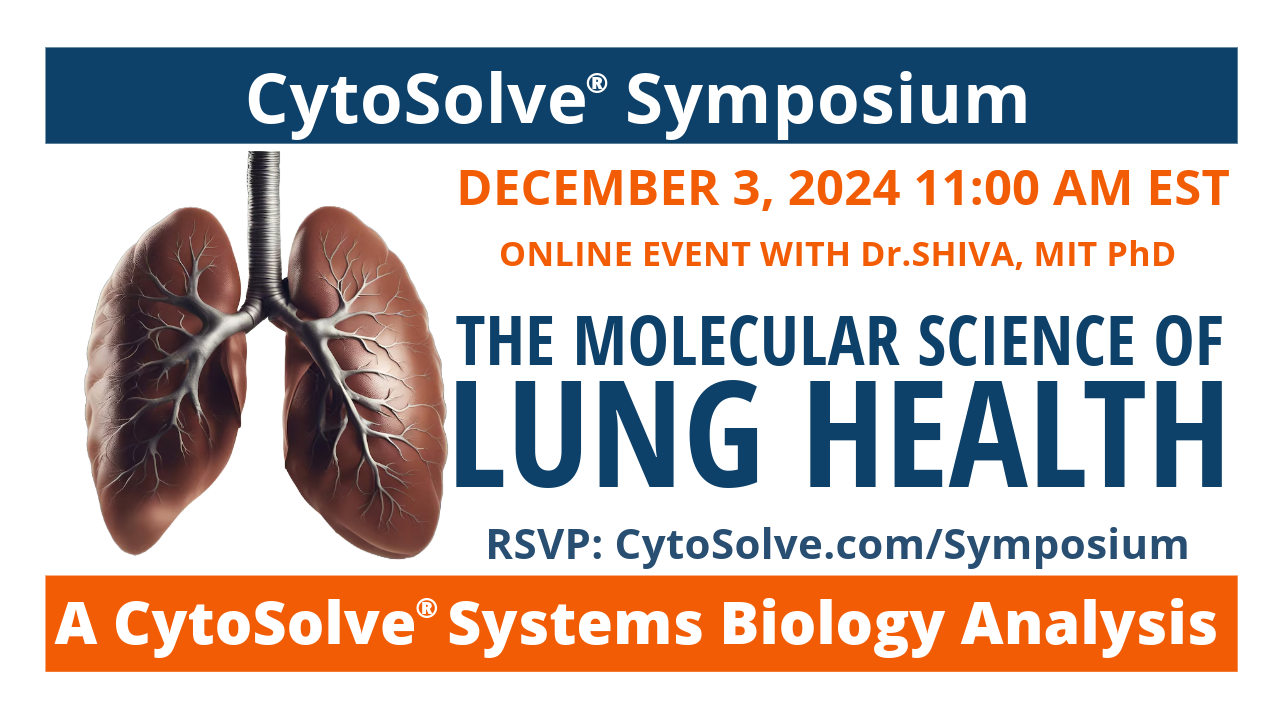
The Molecular Science of Lung Health
This symposium explores the molecular biology behind lung health and respiratory function — how cells, signaling networks, and environmental stressors combine to support or damage the lungs. We examine pathways involved in inflammation, oxidative stress, tissue repair, and immune response that shape lung function and resilience. Using CytoSolve’s systems biology approach, we integrate vast bodies of scientific research to model lung health at a systemic level, beyond single factors. Through the Open Science Institute™, these insights are translated into clear, actionable knowledge about respiratory health and disease prevention.
The Molecular Science of Relaxation
This symposium investigates the molecular mechanisms behind relaxation, stress response, and overall mind-body balance — exploring how cellular signaling, neurotransmitters, and metabolic regulation influence mental and physical wellness. We analyze how stress, lifestyle, and environmental factors perturb these systems, and how balance may be restored or supported. By leveraging CytoSolve’s computational modeling, we integrate scientific findings from many studies into an interconnected systems view of relaxation and resilience. The Open Science Institute™ presents these insights in an accessible way — making clear how molecular science can inform well-being and healthy living.
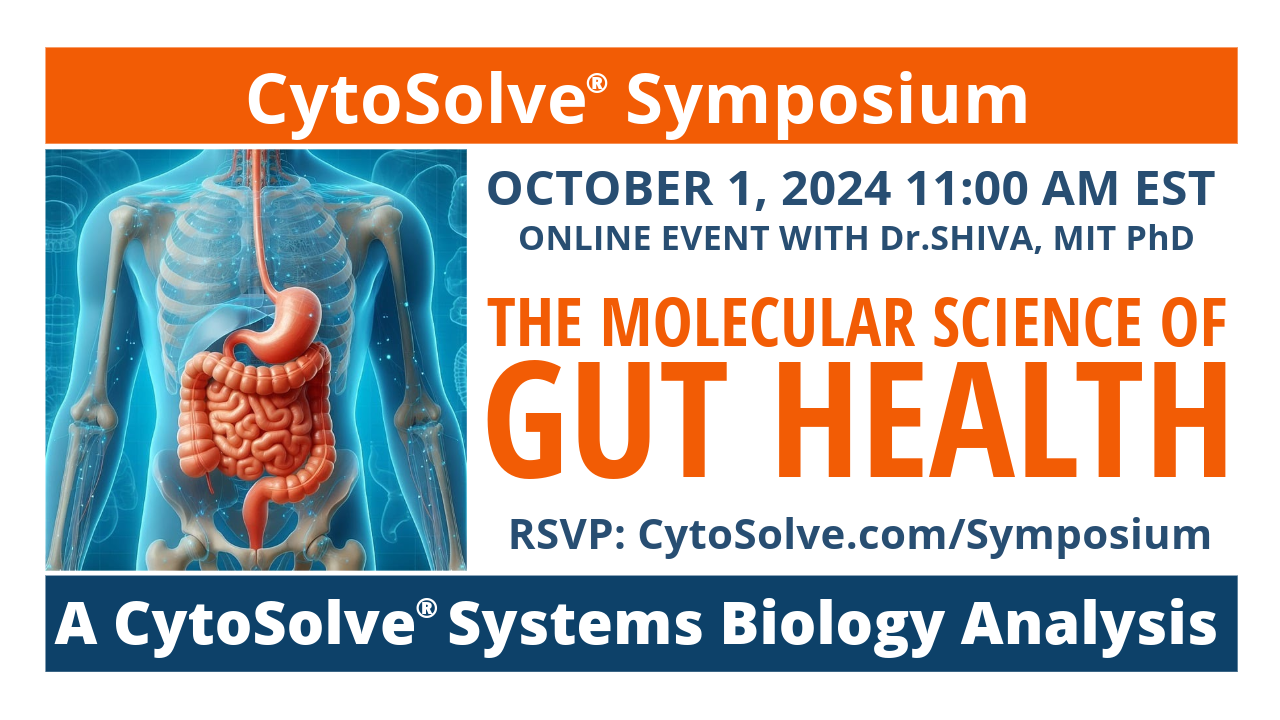
The Molecular Science of Gut Health
This symposium examines gut health from a molecular systems biology perspective — exploring how digestion, metabolism, cellular signaling, microbiome interactions, and immune pathways work together to support digestive wellness. We explore how imbalances in these systems can lead to digestive problems, inflammation, or impaired nutrient absorption. Using CytoSolve’s platform, we integrate diverse scientific studies into a comprehensive model that maps how gut health is maintained or disrupted. Through the Open Science Institute™, we present these findings in clear language that helps people understand the biological complexity behind digestion and health.
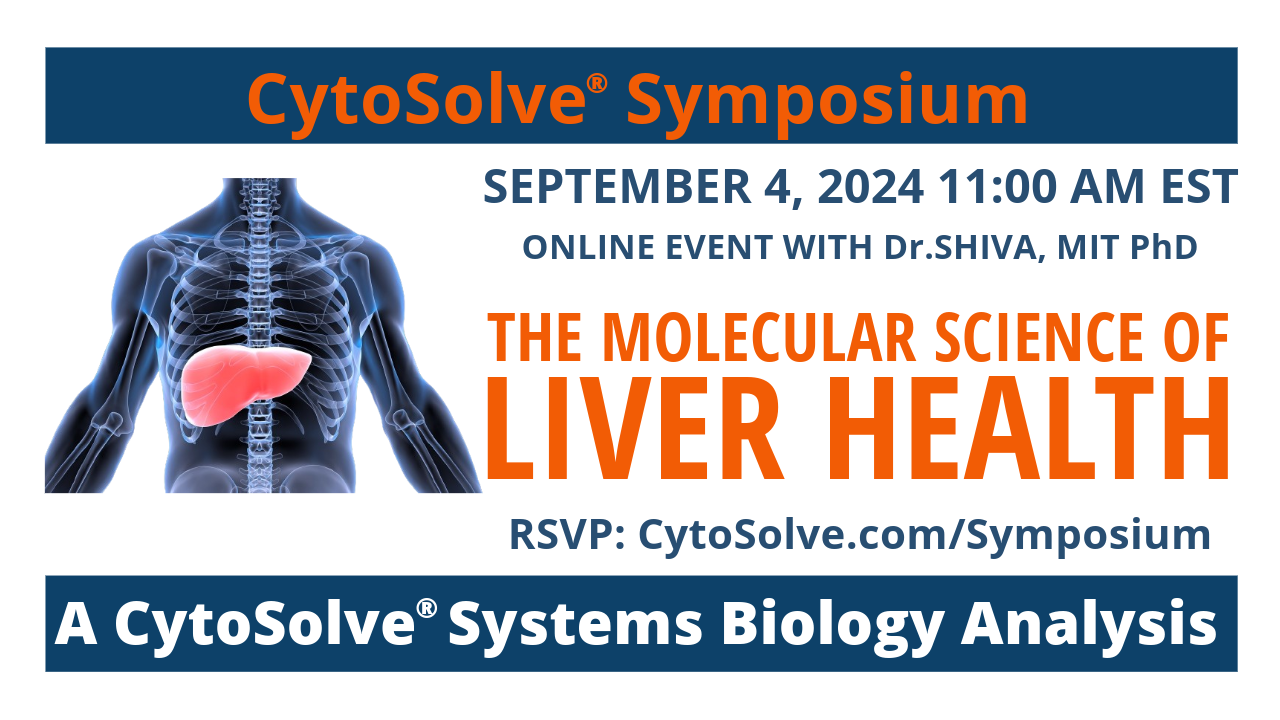
The Molecular Science of Liver Health
This symposium explores liver health at a molecular level — analyzing how metabolic pathways, detoxification mechanisms, cellular repair, and systemic signaling combine to support liver function and overall health. We examine how toxins, lifestyle factors, or metabolic stress can disturb these pathways, potentially leading to disease. With CytoSolve’s systems biology approach, we combine data from many studies into an integrated view that highlights how the liver’s complex biology functions as a network. The Open Science Institute™ then shares these insights in an easy-to-understand format, empowering readers to appreciate how molecular science relates to liver health and wellness.
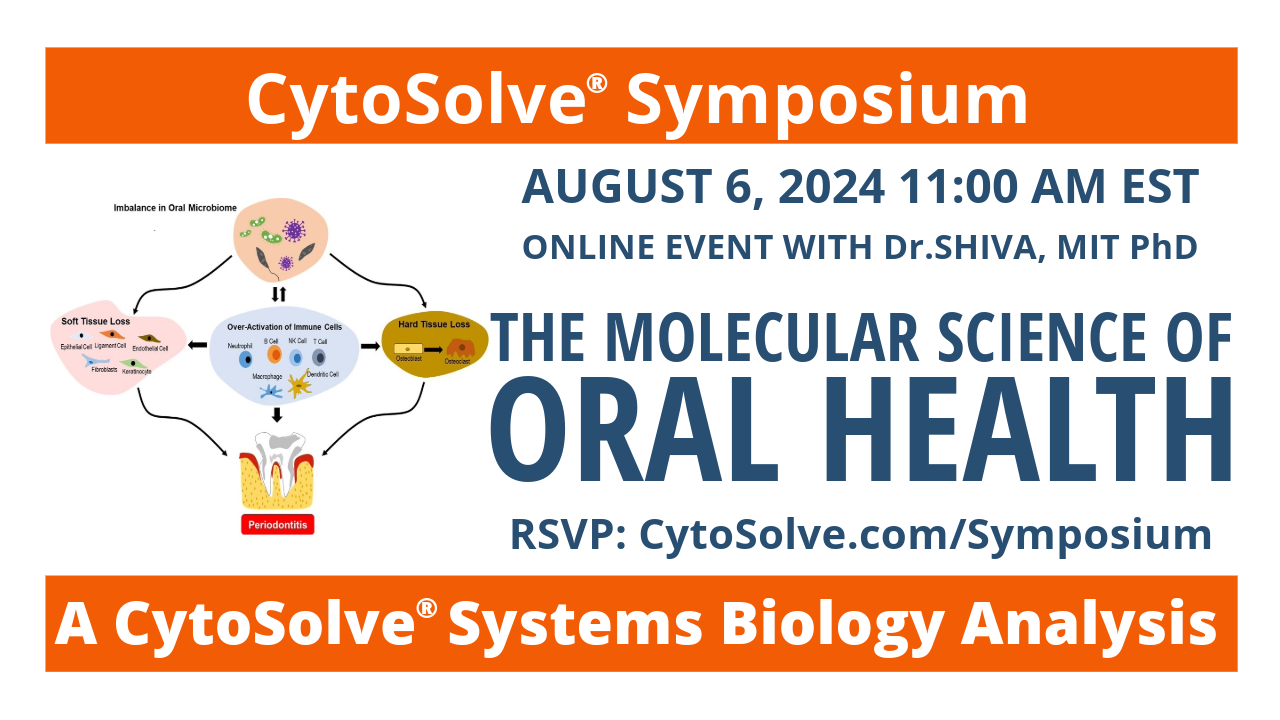
The Molecular Science of Oral Health
This symposium investigates oral and dental health from a molecular systems biology standpoint — exploring how cellular signaling, tissue regeneration, microbiome interactions, and molecular maintenance work together to support oral wellness. We examine how disruptions in these pathways can lead to dental disease, inflammation, or tissue breakdown. Using CytoSolve’s computational platform, we integrate research from many studies into a systems-level model of oral health, showing how multiple biological processes intersect. Through the Open Science Institute™, we communicate these findings in a clear and accessible way, helping readers understand how molecular biology affects oral hygiene and long-term dental wellness.
Truth About GMOs: A Whole Systems Approach
This symposium takes a deep dive into genetically modified organisms (GMOs) using a systems biology framework — exploring how genetic engineering can influence molecular pathways, metabolism, and overall biological equilibrium in plants. We focus on detailed case studies, such as soy, to assess how GMOs may impact plant biology at multiple levels. By leveraging CytoSolve’s integrative modeling, we combine experimental evidence across many studies to build a full-system perspective on the molecular effects of GMOs. The Open Science Institute™ presents these insights clearly so that both scientists and concerned citizens can better understand the complexities of GMOs beyond simplistic narratives.
Pet Health – A Whole Systems Approach
This symposium explores pet health using a systems biology approach — analyzing how nutrition, molecular signaling, skin and coat biology, and metabolic pathways together influence the health and well-being of companion animals. We examine how combinations of ingredients and lifestyle factors can impact pet health at a molecular level. Using CytoSolve’s computational platform, we integrate literature from numerous studies to build a holistic model of pet health and coat wellness. Through the Open Science Institute™, we share these findings in a transparent, science-based format to help pet owners make informed decisions about the care of their animal companions.
The Molecular Science of Joint Health
This symposium investigates joint health and mobility by examining the molecular and cellular processes that maintain healthy cartilage, connective tissue, and joint function. We explore how inflammation, stress responses, cell signaling, and tissue remodeling interact to preserve or degrade joint integrity. By applying CytoSolve’s integrative systems modeling, we combine evidence across many studies to show how joint health depends on the balance of multiple biological systems. The Open Science Institute™ presents these concepts in a way that makes the science accessible and relevant to everyday wellness and long-term joint care.
How We End Animal Testing
This symposium focuses on how computational systems biology — especially via CytoSolve — offers a powerful alternative to animal testing in scientific research. We showcase how in-silico modeling of molecular pathways can reproduce and predict biological behavior without relying on animal experiments. By integrating data from hundreds of studies, we build robust computational models that simulate whole-system biology, offering ethical, efficient, and scientifically rigorous research methods. Through the Open Science Institute™, we present this vision of the future of research for everyone interested in humane and innovation-driven science.